What Is ERP for OCD ? A Practical Guide

Quick Summary


Exposure and Response Prevention (ERP) is a structured form of cognitive-behavioral therapy designed specifically for obsessive-compulsive disorder (OCD). In ERP, you face triggers (exposure) while refraining from rituals (response prevention). By doing this repeatedly and safely, your brain learns that anxiety fades on its own and that compulsions aren’t necessary.


What exactly is ERP?


ERP is a step-by-step therapy that helps you unlearn the OCD cycle. OCD runs on a loop:

  1. Trigger/Intrusive thought
  2. Anxiety/urge
  3. Compulsion (overt or mental) →
  4. Short-term relief
  5. More doubt later

ERP breaks this loop by practicing two core skills at the same time:

  • Exposure: Purposefully approaching a feared situation, image, thought, or feeling.
  • Response Prevention: Choosing not to perform the ritual or safety behavior that usually follows.

Over time, your nervous system recalibrates: the same triggers feel less urgent; the urge to ritualize weakens; daily life opens back up.


What ERP is not


  • It’s not “throwing you in the deep end.” ERP is graded: we start with easier tasks and work up.
  • It’s not reassurance-based talk therapy. Insight helps, but behavior change drives the healing.
  • It’s not about proving danger is impossible. It’s about tolerating uncertainty and choosing your values anyway.


What does an ERP session look like ?


1) Assessment & map. We identify obsessions, compulsions (including mental ones), triggers, and your values.
2) Exposure hierarchy. Together we build a ranked list (0–10) of challenges—from “easy” to “hard.”
3) Live practice. In session, we approach a chosen trigger and drop the ritual. You watch the anxiety rise, peak, and fall.
4) Between-session reps. You repeat the same exposure at home, with clear steps and guardrails.
5) Review & adjust. We track progress, troubleshoot mental rituals, and climb the hierarchy at your pace.

Example (Checking OCD):

  • Easy: Leave the house after locking the door once, wait 5 minutes before re-checking.
  • Medium: Leave after locking once, no photos, drive around the block.
  • Hard: Lock once and go straight to work, no reassurance texts, no returning.


Why does ERP work ?


  • Habituation & inhibitory learning: when you face triggers without rituals, your brain updates: “This feels dangerous, but I survived; I don’t need the compulsion.”
  • Uncertainty tolerance: you practice carrying “maybe/maybe not” without trying to erase doubt.
  • Value-based action: instead of chasing perfect certainty, you invest time and energy in what actually matters.


ERP vs. “regular CBT”


CBT is a broad family of skills (thought reframing, behavioral experiments, etc.). ERP is a specialized CBT protocol built for OCD’s unique mechanics (intrusions + compulsions + uncertainty). Many people try general CBT and feel stuck; ERP targets the ritual loop directly.


Will I have to do the hardest thing first?


No. Good ERP is dose-controlled. We start where success is realistic (often SUDS 4–6 out of 10). You’ll challenge yourself, but you’ll also feel supported and in control, with clear yes/no rules around rituals.


What about mental compulsions?


Compulsions aren’t just visible behaviors. They can be internal:

  • Reassuring yourself, reviewing memories, analyzing “what it means,” praying “just right,” counting, repeating.
    ERP targets these too. We name them specifically and create
    no-mental-ritual rules for each exposure.


Common ERP myths—debunked


  • “ERP is cruel.” It’s actually compassionate exposure, tailored to your pace. The aim is freedom, not suffering.
  • “I must feel calm to succeed.” Success = no rituals during the exposure. Calm comes later.
  • “If anxiety doesn’t drop, ERP failed.” Not true. The brain learns from non-reinforcement even when anxiety stays elevated in the moment.


Who benefits from ERP ?


ERP helps across OCD themes: contamination/washing, checking, “just right”/symmetry, harm/violent or sexual intrusions, scrupulosity, relationship (ROCD), and more. It can be adapted for teens and adults, in-person or online.


Who might need a modified approach?

  • Severe depression, high suicide risk, acute substance withdrawal, or untreated psychosis may require stabilization first. Your therapist will screen and sequence care appropriately.


What progress typically looks like


  • Weeks 1–2: Learning the model, building the hierarchy, first easy/medium exposures.
  • Weeks 3–6: Reps add up; anxiety peaks fall faster; rituals shrink.
  • Weeks 7–12: Generalization—gains show up across situations; you move independently.
    Everyone’s timeline is different, but
    consistent practice is the strongest predictor of success.


Simple starter: build your first exposure


  1. Pick one trigger that feels challenging but doable (SUDS 4–6/10).
  2. Define “no rituals.” List both overt and mental compulsions you’ll drop.
  3. Set a timer (10–15 minutes).
  4. Do the exposure and allow discomfort.
  5. Afterward: Rate anxiety again and write one line: “I chose values over rituals.”

Example (Contamination OCD): Touch the garbage can; prepare a snack; no handwashing until the timer ends.


Parents & partners: how to help


  • Reduce accommodation. Instead of answering reassurance questions or participating in rituals, validate feelings and redirect to the ERP plan.
  • Use scripts. “I care about you, and I won’t do reassurance. Let’s look at your next step on the plan.”


Frequently asked questions


Is ERP safe?
Yes when properly delivered. It’s uncomfortable by design, but exposures are
planned, paced, and consented.

Do I have to tell my therapist every intrusive thought?
You don’t have to share graphic detail to get help. We need to understand the pattern (trigger → compulsion) so we can target it.

What if my OCD theme is taboo or embarrassing?
You’re not alone. ERP focuses on the process, not the content. Intrusions say nothing about your character.

Will medication help?
Many people combine ERP with an SSRI prescribed by a physician. ERP remains the
active skill that changes behavior and maintains gains.


Ready to try ERP ?


With guidance, ERP is learnable and effective. If you’re in Ontario (or online), I offer structured ERP with weekly sessions, clear home practice plans, and support for partners when useful.

Call to action options (pick one):

  • Book a free 15-minute consult to see if ERP fits your goals.
  • Download a free ERP Starter Worksheet (exposure hierarchy + “no mental rituals” checklist).
  • Email me your top trigger, and I’ll send back a one-page first-exposure plan.

By Aaron Van Beilen December 7, 2025
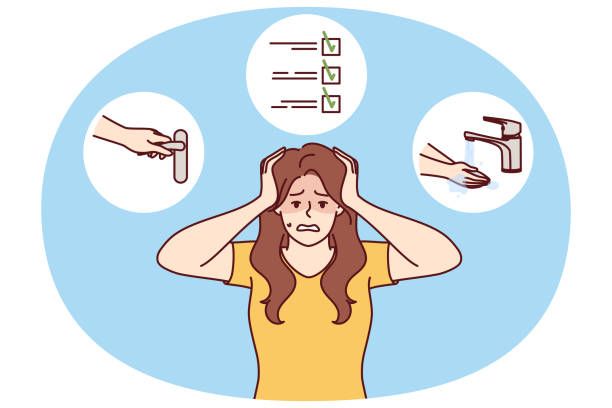
Checking OCD is one of the most common forms of Obsessive-Compulsive Disorder—and many people across London, Ontario, experience it daily. While everyone double-checks things from time to time, Checking OCD goes far beyond normal caution. It becomes a fear-driven pattern of checking, reviewing, and seeking certainty that can take over your life. If you’re looking for Checking OCD treatment in London, Ontario or wondering whether your checking habits might be related to OCD, this guide will help you understand the symptoms—and show you what effective treatment looks like locally. What Is Checking OCD? Checking OCD is a subtype of OCD where people feel intense fear that something bad will happen if they don’t check repeatedly. For London residents, this can show up in daily routines such as: Re-checking that the doors are locked before leaving home Confirming the stove is off multiple times Re-reading emails before sending them at Western or Fanshawe Reviewing a driving route to ensure you didn’t hit someone on Wonderland, Oxford, or Highbury Re-checking your car in busy lots like Masonville or White Oaks Mall The checking isn't about being careful—it’s about trying to eliminate fear, guilt, or uncertainty. Common Checking OCD Behaviours People with Checking OCD often: Check doors, locks, and appliances repeatedly Inspect their car many times before walking away Re-read texts, emails, or assignments Ask for reassurance from partners or relatives Go back over conversations mentally Review their commute to confirm they didn’t cause harm Check their body for signs of illness These behaviours temporarily soothe anxiety—but the relief never lasts. How Checking OCD Impacts Daily Life in London, Ontario Checking OCD can make simple tasks feel overwhelming. It may cause: Being late to work or school because you can’t leave home Avoiding driving on busy roads like the 401, Fanshawe Park Road, or Wellington Trouble concentrating at Western or Fanshawe due to intrusive fears Stress in relationships from repeatedly seeking reassurance Exhaustion from checking rituals that take up large parts of the day The good news? Effective treatment is available in London. The Best Treatment for Checking OCD in London, Ontario: ERP Therapy If you’re searching terms like “OCD therapist London Ontario”, “Checking OCD help London ON”, or “ERP therapy London Ontario,” you’re already on the right track. Exposure and Response Prevention (ERP) ERP is the leading evidence-based treatment for OCD and is widely recommended by OCD specialists. ERP includes: Exposure: Facing feared situations gradually (e.g., leaving your home without re-checking the lock). Response Prevention: Resisting the urge to check or seek reassurance. Over time, your brain learns that nothing dangerous happens when you stop the checking cycle—and the fear begins to fade. Why ERP Works for Checking OCD ERP is effective because it: Breaks the cycle of compulsive checking Reduces anxiety and intrusive thoughts Helps you tolerate uncertainty Gives you back the time and energy OCD steals Helps you regain confidence in your decisions Most people with Checking OCD see major improvements when they consistently practice ERP with a trained therapist. Is Checking OCD Treatable? Yes. Checking OCD is highly treatable. Many people in London, Ontario experience significant reductions in checking and intrusive thoughts after starting ERP therapy. Some even reach the point where checking rituals no longer control their life. Medication (usually SSRIs) may also complement treatment for some people. Tips for Managing Checking OCD at Home These strategies can help alongside therapy: Label what’s happening: “This is OCD, not danger.” Try a one-check rule: Check once, then walk away. Delay the compulsion: Even 15–30 seconds helps weaken OCD’s grip. Reduce reassurance-seeking: Notice how often you ask others, “Are you sure?” Practice tolerating uncertainty: Remind yourself, “I can’t be 100% certain—and that’s okay.” These exercises support the work you’ll do in therapy. When to Seek Help from a London OCD Therapist Professional support may be useful if your checking: Takes up a lot of time Causes distress, guilt, or anxiety Interferes with school, work, or relationships Feels impossible to stop Leads to avoidance (driving, cooking, messaging, etc.) Many therapists in London, Ontario offer online OCD therapy as well, making quality help accessible anywhere in the city or surrounding areas (St. Thomas, Strathroy, Komoka, Dorchester, etc.). Final Thoughts Checking OCD can feel overwhelming, but it is a highly treatable condition. With ERP therapy and skilled support in London, Ontario, you can break the cycle of checking, reduce your anxiety, and regain control of your daily life.
4 Step OCD method
By Aaron Van Beilen September 19, 2025
Step 1: Relabel Description: Identify the mental event as an OCD product—not a real danger or a meaningful signal. Briefly name it (“OCD thought,” “OCD urge,” “false alarm”). This reduces fusion (“I am the thought”) and stops you from debating content, which becomes a mental compulsion. Keep it to one short line, the
Overview of OCD
By Aaron Van Beilen November 11, 2019
What Is OCD ?  Obsessive-Compulsive Disorder (OCD) is a mental health condition marked by obsessions (intrusive, distressing thoughts, images, or urges) and compulsions (repetitive behaviors or mental acts performed to reduce anxiety or prevent a feared outcome). People with OCD often know their fears are excessive but feel trapped in a cycle that steals time, energy, and joy. Common OCD Subtypes (Examples) Contamination/Health OCD: Fear of germs, illness, chemicals; excessive washing or avoidance. Checking OCD: Repeatedly checking locks, appliances, emails, symptoms. “Just-Right”/Perfectionism OCD: Intense need for symmetry, order, or the “right feeling.” Moral/Scrupulosity OCD: Fear of being a bad person, offending God, or breaking rules. Harm OCD: Intrusive violent or sexual thoughts; avoidance of sharp objects or loved ones. Relationship OCD (ROCD): Doubts about one’s partner, compatibility, or attraction. You don’t have to fit neatly into a subtype to get help. OCD is about patterns , not labels.  Why Psychotherapy Works for OCD Therapy aims to break the obsession–compulsion loop . Instead of trying to eliminate every intrusive thought (impossible!), you learn new ways to respond so the thoughts matter less—and your life matters more. The Core Approaches 1) Exposure and Response Prevention (ERP) What it is: Gradual, supported practice facing feared situations ( exposure ) without performing compulsions ( response prevention ). Why it works: Your brain relearns that anxiety rises and falls on its own , even without rituals, and feared outcomes are far less likely than OCD insists. Example: If contamination is a fear, you might touch a doorknob and delay hand-washing with your therapist’s guidance. 2) Acceptance and Commitment Therapy (ACT) What it is: Skills for noticing thoughts and feelings without getting hooked , clarifying your values, and taking meaningful action even when discomfort is present. Why it helps: Intrusive thoughts lose control when you stop fighting them and start moving toward what matters . 3) Internal Family Systems (IFS) What it is: A compassionate way to understand inner “parts” (the protector that compels rituals, the fearful part anticipating danger). Why it helps: When parts feel heard and safe, they soften —reducing the intensity of urges and self-criticism. These approaches often work together : ERP for behavioral change, ACT for mindset and values, IFS for self-compassion and deeper healing. What to Expect in OCD Therapy Assessment & Goal-Setting We map your obsession–compulsion cycles, triggers, safety behaviors, and avoidance patterns. We define clear goals (e.g., “Spend <10 minutes a day checking” or “Hold my baby without avoidance”). Personalized Treatment Plan Together we build a fear hierarchy —from easier challenges to tougher ones. You’ll learn core skills: mindfulness, response-delay, and values-based action. Weekly ERP Practice In session and between sessions, you complete structured exposures with compassionate coaching. Progress is tracked, celebrated, and adjusted as needed. Relapse Prevention We create a maintenance plan : early-warning signs, booster exercises, and a simple routine that keeps gains solid. Practical Skills You’ll Learn Name it to tame it: “This is an OCD thought, not a fact.” Limit reassurance: Ask for connection, not certainty (“Can we sit with this together?”). Delay & Reduce: Postpone rituals by 10–15 minutes, then shrink their length and frequency. Opposite Action: Do what OCD says not to do (safely) and stay with the discomfort. Values Micro-Steps: Pick one daily action aligned with who you want to be—small, repeatable, meaningful. Myths vs. Facts Myth: “If I have a scary thought, it means I want it.” Fact: Intrusive thoughts are ego-dystonic —the exact opposite of your values. Myth: “I must be 100% certain before I can relax.” Fact: Life is uncertain. Therapy teaches you to live well with uncertainty. Myth: “ERP is too harsh.” Fact: Good ERP is collaborative, gradual, and compassionate —never forced. When to Seek Help Compulsions take >1 hour/day or cause significant distress. You’re avoiding people, places, or activities you care about. Reassurance and checking keep growing, not shrinking. You want trained guidance and a clear plan to get unstuck. How Loved Ones Can Support Shift from certainty to support: “I’m here with you,” not “You’re safe, I promise.” Agree on boundaries: Limit reassurance loops; encourage ERP goals. Celebrate effort, not certainty: Praise showing up and staying with discomfort. A Sample 8–12 Week Roadmap Weeks 1–2: Assessment, education, values work, building your hierarchy. Weeks 3–6: ERP starts; daily home practice; ACT skills for defusion and acceptance. Weeks 7–10: Harder exposures; IFS-informed self-compassion; relapse prevention skills. Weeks 11–12: Consolidate gains; finalize a maintenance plan and booster schedule.